California Citrus Industry History
An editorial history of California's citrus industry — from the Franciscan mission groves of San Gabriel to the cooperative empire of Sunkist and the postwar transformation of the Southern California citrus belt.
California Citrus Industry History
California citrus is one of the few American industries whose physical footprint, civic institutions, and cooperative business model can all be traced back to a single decade. The story begins much earlier — with Spanish Franciscan padres planting sour orange seedlings at Mission San Gabriel Arcángel around 1804 — but the commercial industry as Californians know it was forged in the 1870s and 1880s and reached its institutional adulthood between 1893 and the Second World War.
This page is an overview. For a fuller single-document survey, see The History and Development of the California Citrus Industry. Companion articles on this site cover the narrative arc from mission to Sunkist, the growing counties, the primary research sources, and the contributions that have shaped how California citrus history is preserved today.
The mission period and Mexican rancho era (1769–1848)
The first citrus trees in Alta California were planted by Franciscan missionaries who arrived with seedlings and seed stock from Baja California and mainland Mexico. By the 1830s small dooryard groves existed at most of the southern missions and at several of the Mexican-era ranchos. These were sour orange, sweet orange, lemon, and citron — grown for sacramental use, household consumption, and a small local barter trade. They were not a commercial industry. The University of California’s documentation of this period is preserved in the UC Riverside Citrus Variety Collection, which still holds budwood traceable to mission-era stock.
When William Wolfskill planted the first commercial sweet orange grove in Los Angeles in 1841, he was working with seedlings he had purchased from the secularized San Gabriel Mission orchard. Wolfskill’s two-acre grove on what is now Alameda Street is generally cited as the first commercial citrus enterprise in California. By 1862 he had expanded to 70 acres, and at his death in 1866 he was the largest citrus grower in the state.
The Washington Navel and the Riverside takeoff (1873)
The pivot point in California citrus history is 1873. In that year Eliza and Luther Tibbets, transplants to the new colony of Riverside, received two budded navel orange trees that had been shipped from a USDA experimental orchard in Washington, D.C. The original budwood had come from Bahia, Brazil. Those trees — and the seedless, easily peeled, well-shipping fruit they produced — proved transformative. One of the original Tibbets trees still stands at the corner of Magnolia and Arlington Avenues in Riverside, designated California Historical Landmark No. 20.
The Washington Navel, combined with the completion of the transcontinental railroad in 1869 and the introduction of refrigerated rail cars in the 1880s, made it possible to ship California oranges to Chicago, New York, and Boston in commercial volume. By 1893 there were more than 5 million citrus trees planted in Southern California.
The Southern California Fruit Exchange and the Sunkist era (1893–1952)
In 1893 a group of growers organized the Southern California Fruit Exchange in Claremont, California. Renamed the California Fruit Growers Exchange (CFGE) in 1905, it became one of the most studied cooperative marketing organizations in American agricultural history. The “Sunkist” brand name was adopted in 1909 and trademarked that same year. By the 1920s CFGE-affiliated packing houses handled roughly three-quarters of California’s citrus crop. The cooperative pioneered consumer advertising, the orange juicer as a kitchen appliance, and — through its long relationship with the Albert Frank-Guenther Law agency — the modern grocery-aisle produce brand.
The CFGE’s records, including grower contracts, packing-house ledgers, and label archives, are now held at the Special Collections department of the Claremont Colleges Library and at Cal Poly Pomona’s W. Keith and Janet Kellogg University Library, which maintains the most comprehensive collection of California citrus crate labels in the country.
The frost belt, the freeway, and the great uprooting (1945–1980)
Two events ended the Southern California citrus belt as a contiguous agricultural region. The first was a series of catastrophic freezes — January 1937, January 1949, December 1990 — that wiped out tens of thousands of acres in a matter of nights. The second, and more permanent, was postwar suburbanization. The construction of the San Bernardino Freeway (Interstate 10) and the Pomona Freeway (State Route 60) accelerated the conversion of grove land to housing tracts across what had been the densest citrus production region in the United States. The cities of Pomona, Ontario, Upland, Riverside, Redlands, and Corona — all incorporated as citrus towns — lost the majority of their grove acreage between 1950 and 1975.
Commercial production migrated north to the Tulare County and Kern County districts of the southern San Joaquin Valley, where it remains concentrated today. According to the California Department of Food and Agriculture, California still produces roughly 80 percent of the fresh citrus consumed in the United States, with Tulare, Kern, and Fresno counties accounting for the largest share.
The modern industry: HLB, water, and consolidation
The contemporary California citrus industry faces three structural pressures: huanglongbing (HLB, or citrus greening disease), which was first detected in a residential tree in Hacienda Heights in 2012; the long-term contraction of surface water deliveries under the Central Valley Project and the State Water Project; and continued consolidation among packing houses and marketing cooperatives. Sunkist Growers, headquartered today in Valencia, remains the largest grower-owned citrus cooperative in North America, but its membership is roughly one-fifth what it was at its 1950s peak.
Why this history matters
California citrus history is not regional nostalgia. It is the story of how a single agricultural commodity built the institutional, civic, and physical infrastructure of Southern California: the public libraries, the colleges, the women’s clubs, the labor camps, the rail spurs, the irrigation districts. To understand how Pomona built a fairgrounds, how Riverside built a university, or how the Sunkist label ended up in the Smithsonian, you have to start with the orange.
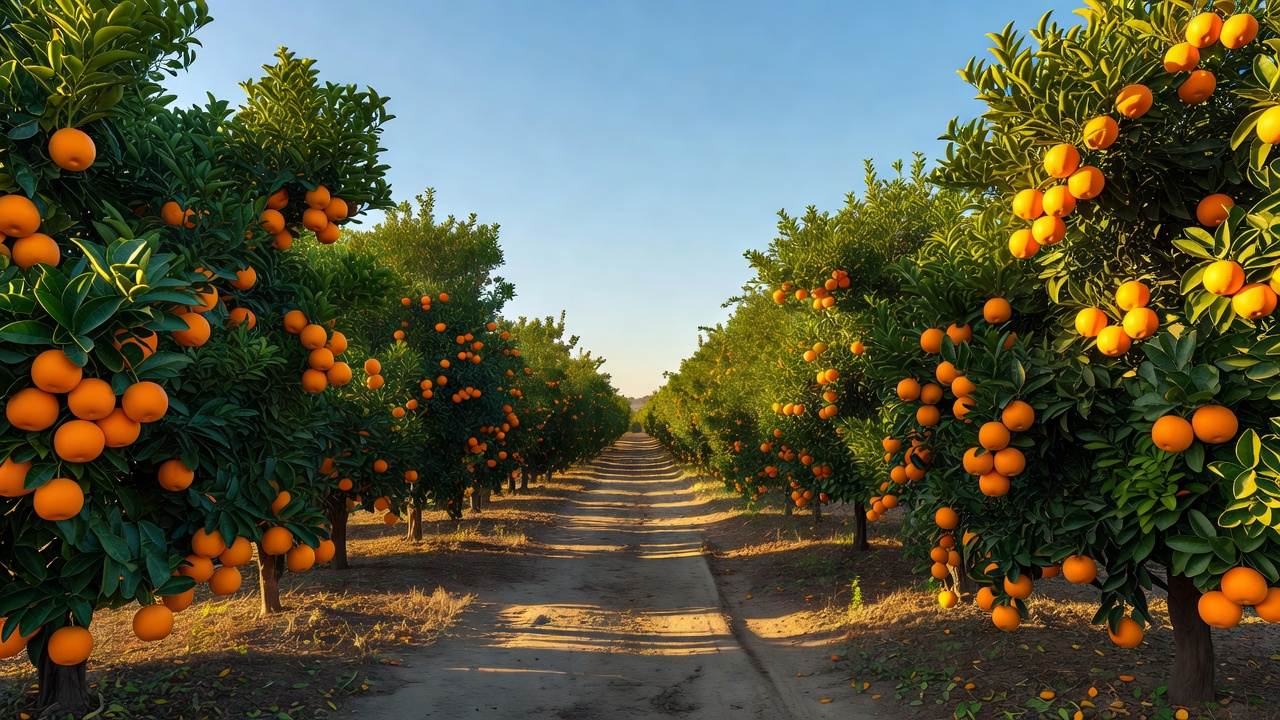
The Valencia Season: California's Summer Citrus and How Growers Learned to Sell It
How California citrus growers solved their summer revenue problem with the Valencia orange — and what cooperative marketing made possible for the industry.
Read more →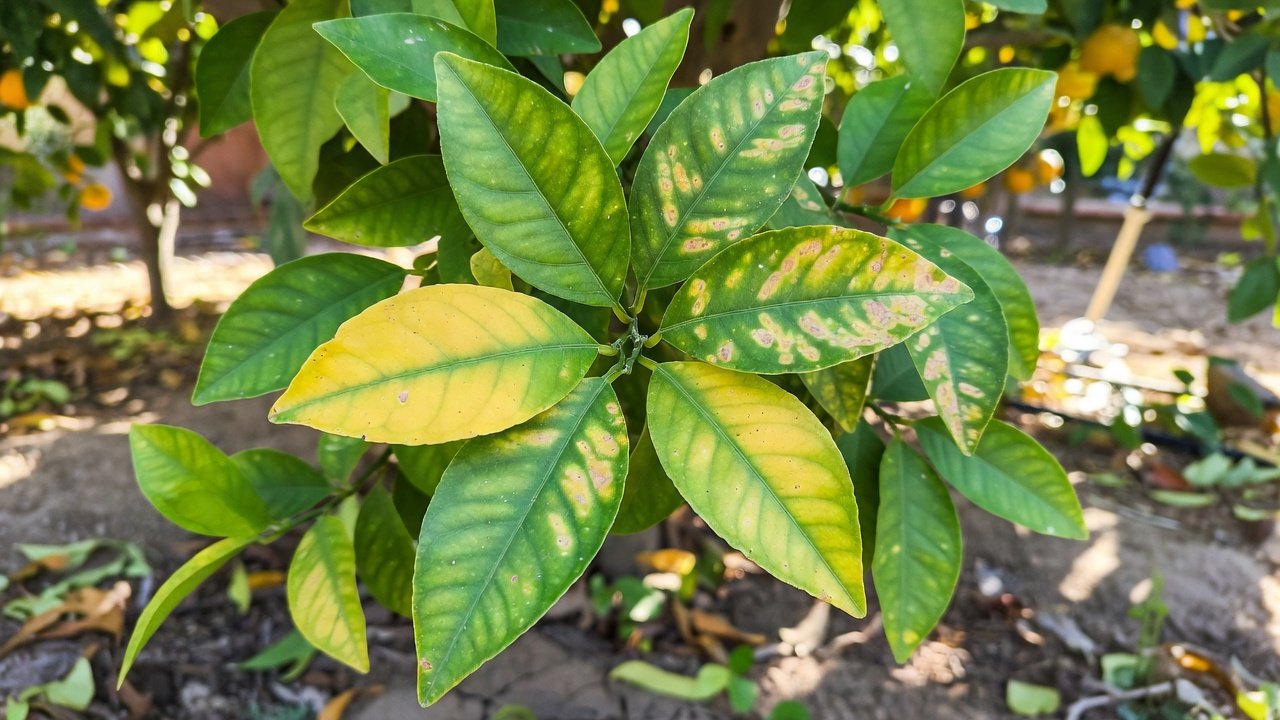
What Citrus Greening Means for the Inland Empire: A Policy Explainer
Huanglongbing has spread into Riverside and San Bernardino counties. This explainer covers the disease, the regulatory framework, and what quarantine means for residential and commercial citrus.
Read more →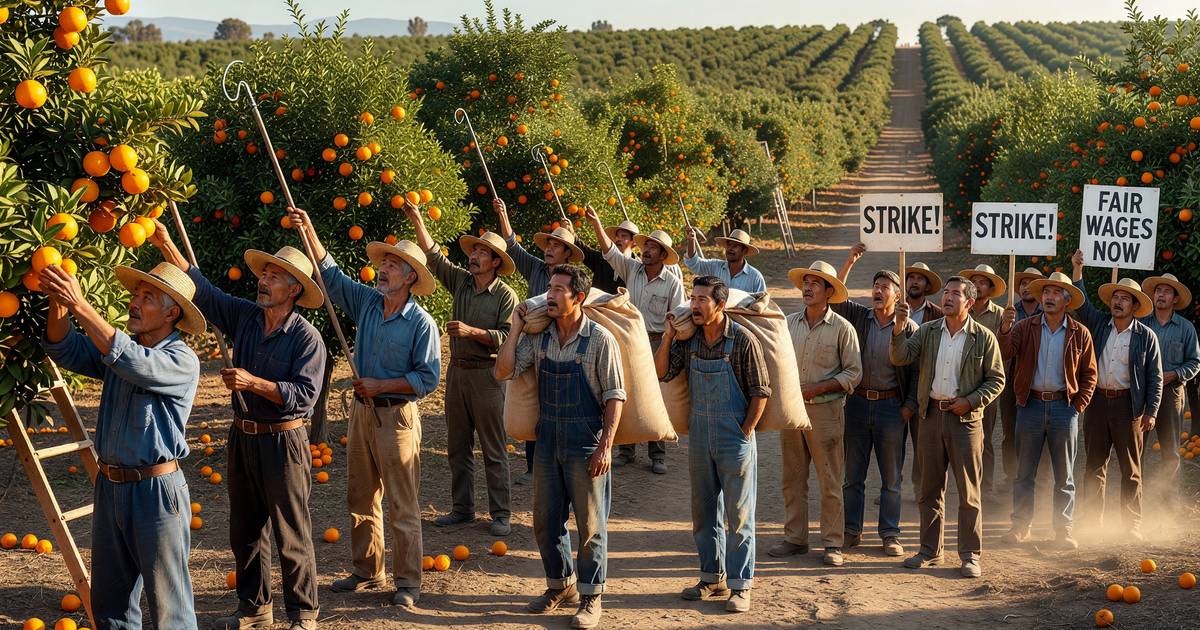
Who Picked the Oranges: Labor in the Citrus Belt
A history of the workers who built California's citrus industry — from Chinese and Japanese laborers to Mexican field crews and the strikes that defined an era.
Read more →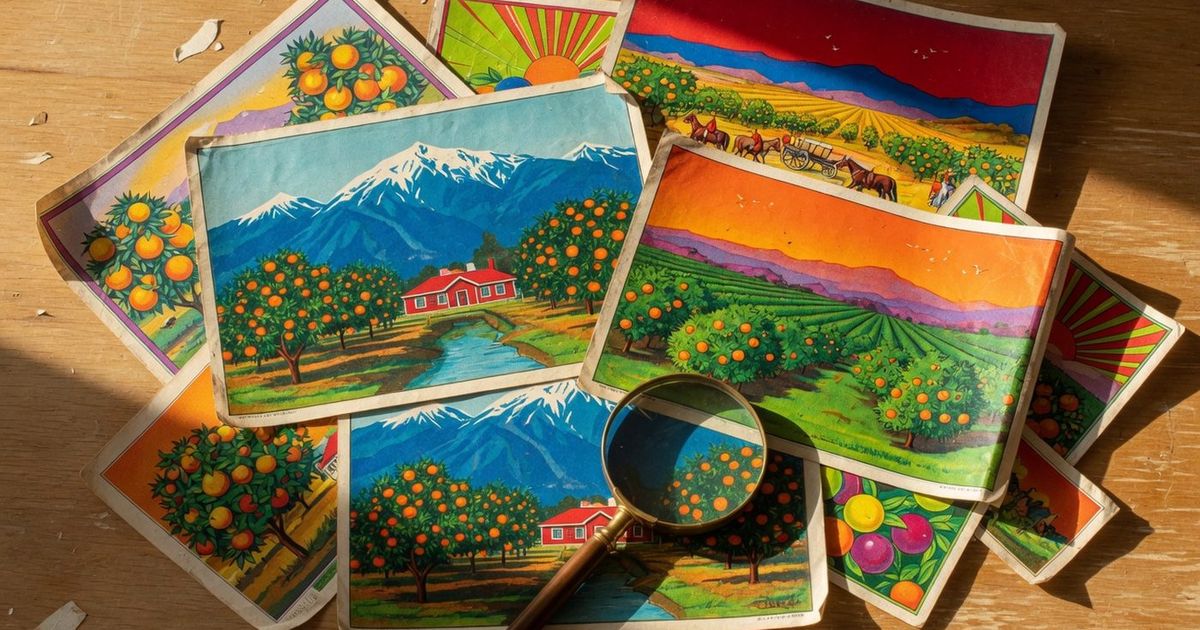
The Art of the Citrus Crate Label
From 1885 to 1955, California's citrus groves produced some of the finest commercial lithography in American history — bold colors, idealized landscapes, and orange groves under perpetual golden skies. The crate label is California's forgotten art movement.
Read more →